Updated: April 18, 2026
The Evolution of Makeup Trends: A Look Back at the Past Decade
Over the past decade, the world of makeup has undergone a remarkable transformation. From the rise of social media influencers to the resurgence of nostalgic beauty trends, the makeup industry has continually evolved to reflect changing cultural dynamics. This post explores how makeup trends have shifted over the last ten years, highlighting key moments and innovations that have shaped the industry.
The Rise of Social Media Influencers
The 2010s witnessed the meteoric rise of social media platforms like Instagram and YouTube, which became pivotal in shaping makeup trends. Influencers emerged as powerful voices in the beauty community, often dictating what products and looks were deemed fashionable. Celebrities like Kylie Jenner leveraged their massive followings to launch successful makeup lines, blurring the lines between celebrity endorsements and influencer marketing.
Platforms like YouTube became the go-to place for makeup tutorials, allowing users to learn and master new techniques from the comfort of their homes. This democratization of beauty education enabled a diverse range of voices to emerge, fostering a community that celebrates creativity and self-expression.
Nostalgia and the Revival of Retro Trends
The past decade has seen a resurgence of retro beauty trends, with many makeup enthusiasts looking to the past for inspiration. The 1990s and early 2000s, in particular, have influenced contemporary makeup styles, with trends such as brown lip liner, frosted eyeshadow, and thin brows making a comeback. This nostalgia-driven revival is not only a nod to past aesthetics but also a reflection of the cyclical nature of fashion and beauty.
Makeup brands have capitalized on this trend by re-releasing iconic products from past decades, often collaborating with celebrities who were instrumental in popularizing these looks. This blend of old and new has resulted in a unique fusion that appeals to both those who lived through the original trends and a younger generation eager to experience them for the first time.
Inclusivity and Diversity in Makeup
Inclusivity has become a significant focus in the makeup industry over the past decade, with consumers demanding more diverse product offerings. The launch of Fenty Beauty by Rihanna in 2017 marked a turning point, as the brand debuted with 40 foundation shades catering to a wide range of skin tones. This move set a new standard for inclusivity, challenging other brands to expand their shade ranges and develop products that cater to all individuals.
The push for diversity extends beyond product offerings, as brands have also embraced more inclusive marketing campaigns. Models of different ethnicities, genders, and ages are now prominently featured in advertisements, reflecting a broader understanding of beauty that celebrates individual uniqueness.
The Impact of Technology on Makeup
Technological advancements have played a crucial role in transforming the makeup industry over the past decade. Augmented reality (AR) and artificial intelligence (AI) technologies have revolutionized the way consumers interact with products. Virtual try-on features allow users to experiment with different looks and shades without physical application, enhancing the online shopping experience.
Brands such as L’Oréal have embraced these innovations, offering apps that enable users to virtually apply makeup and receive personalized recommendations. This seamless integration of technology has made beauty more accessible, allowing consumers to make informed purchasing decisions with ease.
Sustainable Beauty Practices
As awareness of environmental issues has grown, the demand for sustainable beauty practices has become more pronounced. Consumers are increasingly seeking products that are not only effective but also environmentally friendly. This shift has led to a rise in brands prioritizing sustainable packaging, cruelty-free formulations, and ethical sourcing of ingredients.
Many companies have implemented recycling programs and are committed to reducing their carbon footprint. Brands like Herbivore Botanicals have gained popularity for their commitment to clean beauty, offering products that are free from harmful chemicals and packaged in eco-friendly materials.
Takeaways
The past decade has been a period of significant transformation for the makeup industry. Driven by social media, technological advancements, and a growing emphasis on inclusivity and sustainability, makeup trends have evolved to reflect the diverse and dynamic nature of contemporary culture. As we look to the future, it is clear that the industry will continue to adapt and innovate, driven by the ever-changing preferences of consumers and the relentless pursuit of self-expression.
The evolution of makeup trends over the last ten years serves as a testament to the power of beauty as a form of personal and cultural expression. As we embrace new technologies and strive for greater inclusivity and sustainability, the future of makeup promises to be as exciting and transformative as the past decade.
Personalization in Makeup Products
Another significant trend that emerged over the past decade is the growing emphasis on personalization in makeup products. Consumers are increasingly seeking products tailored to their specific needs and preferences, leading to a surge in customizable beauty solutions. Brands have responded by offering options such as custom-blended foundations, personalized skincare regimens, and bespoke color palettes.
This trend towards personalization is driven by advancements in technology that allow for more precise formulations and the ability to cater to individual skin types and tones. Companies like Function of Beauty have been at the forefront of this movement, providing customers with the tools to create products that align with their unique beauty goals and concerns.
The Influence of K-Beauty and J-Beauty
Korean beauty (K-Beauty) and Japanese beauty (J-Beauty) have had a profound impact on global makeup trends over the past decade. These beauty philosophies emphasize skincare as the foundation of makeup, advocating for a dewy, natural look that prioritizes skin health. As a result, makeup routines increasingly include skincare components, with products such as BB creams, cushion compacts, and sheet masks becoming staples.
The influence of K-Beauty and J-Beauty extends beyond products to application techniques and aesthetics. The focus on achieving a “glass skin” finish—characterized by a radiant, flawless complexion—has encouraged consumers to prioritize skincare rituals and adopt minimalist makeup looks that enhance natural beauty rather than conceal it.
Bold Colors and Artistic Expression
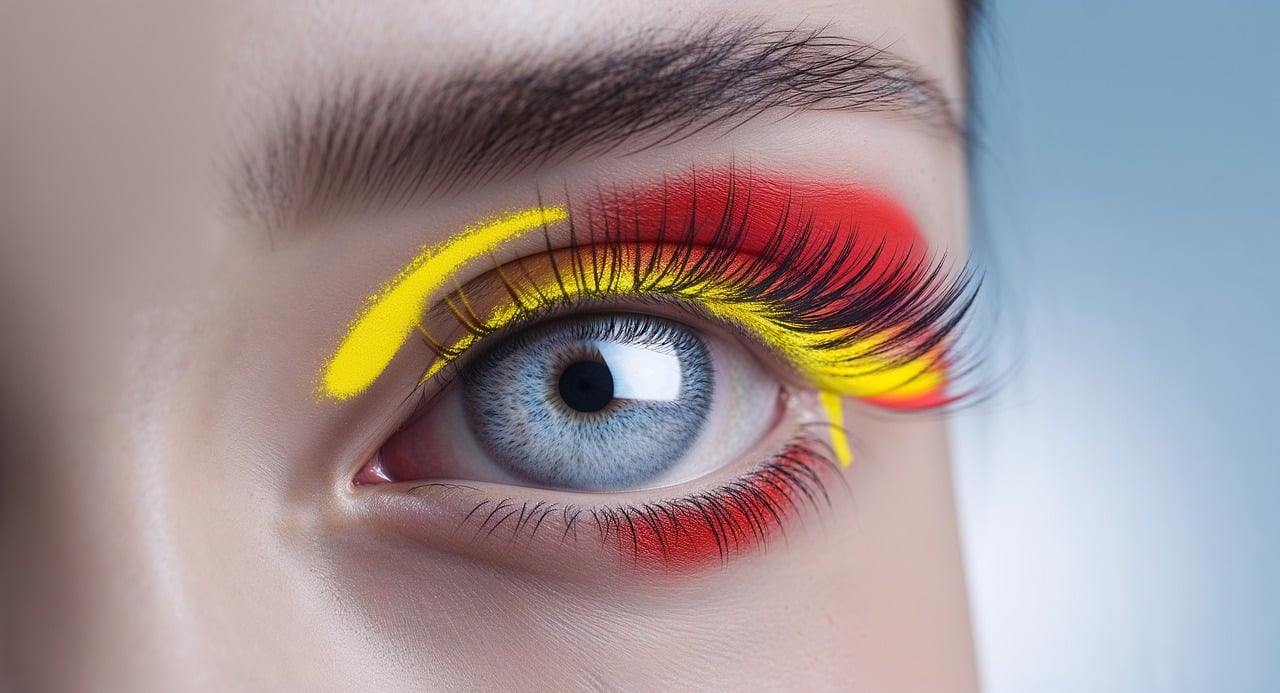
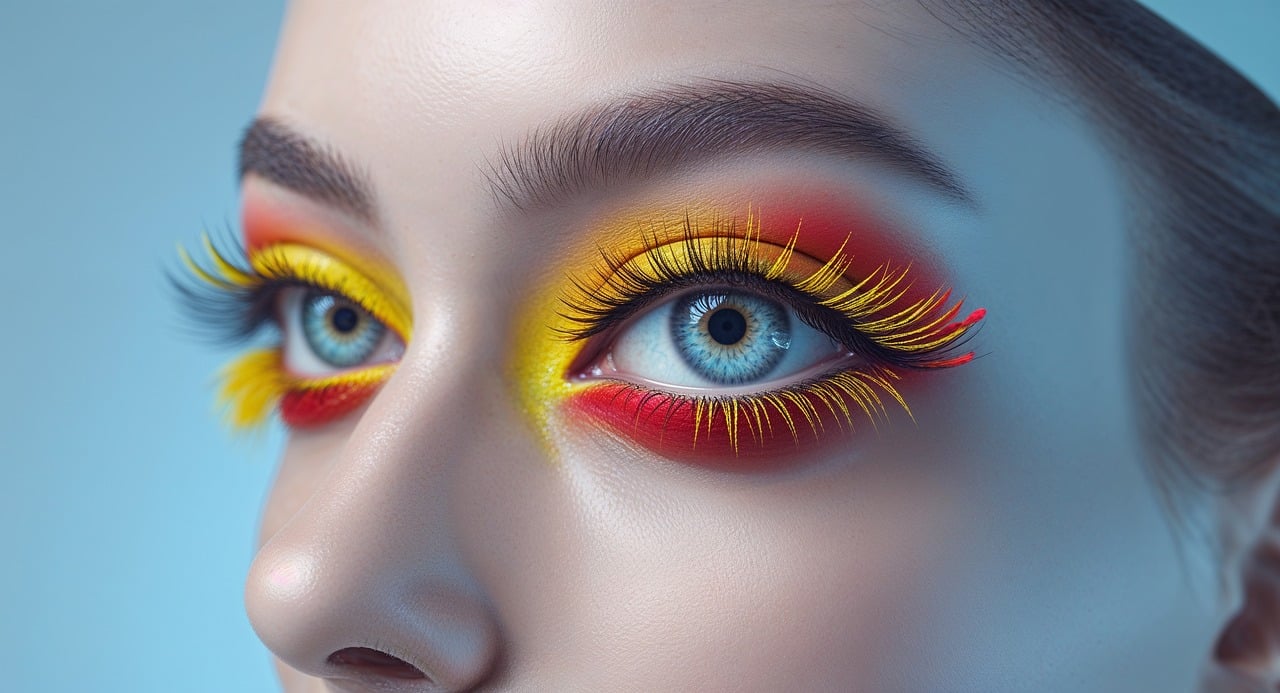
While natural and minimalist looks have gained popularity, the past decade has also seen a rise in bold makeup styles that celebrate artistic expression. Bright, unconventional colors and experimental techniques have become more mainstream, with many enthusiasts using makeup as a canvas for creativity.
Eye makeup, in particular, has become a focal point for experimentation, with trends such as neon eyeliner, graphic shapes, and glittery shadows gaining traction. This embrace of bold colors and unique styles reflects a broader cultural trend towards self-expression and individuality, allowing people to showcase their personalities through makeup.
The Role of Celebrity Collaborations
Collaborations between celebrities and makeup brands have become a defining feature of the beauty industry in the past decade. These partnerships capitalize on the star power of celebrities to create highly sought-after collections that often sell out immediately upon release. Celebrities like Rihanna, Selena Gomez, and Lady Gaga have all launched successful beauty lines that reflect their personal styles and resonate with their fan bases.
These collaborations not only generate excitement and media buzz but also introduce innovative products and concepts to the market. By aligning with celebrities who embody diverse beauty standards, brands are able to reach a wider audience and reinforce messages of inclusivity and empowerment.
The Future of Makeup Trends
As we move into the next decade, the makeup industry is poised for continued growth and innovation. The trends that have defined the past ten years—such as inclusivity, sustainability, personalization, and digital engagement—are likely to persist and evolve, reflecting the ongoing changes in consumer expectations and values.
Future trends may include even more advanced technology integration, such as AI-driven skincare diagnostics, virtual reality shopping experiences, and personalized product recommendations based on data analytics. Additionally, the focus on sustainability will likely intensify, with brands exploring new materials and processes to reduce their environmental impact.
In conclusion, the evolution of makeup trends over the past decade highlights the industry’s ability to adapt and respond to cultural shifts and technological advancements. As we look ahead, the future of makeup promises to be dynamic and inspiring, offering endless possibilities for self-expression and creativity.
Embracing Natural and Clean Beauty
The shift towards natural and clean beauty products has been another significant trend over the past decade. Consumers are increasingly aware of the ingredients in their makeup and are demanding transparency from brands about what goes into their products. This has led to a rise in clean beauty brands that prioritize natural ingredients, avoid harmful chemicals, and maintain ethical production practices.
The clean beauty movement seeks to assure consumers that products are safe for both their health and the environment. Brands are now more transparent about their ingredient lists, and many have adopted certifications to validate their claims. The popularity of clean beauty is a reflection of a broader cultural shift towards wellness and a holistic approach to beauty.
The Influence of Global Beauty Standards
As globalization continues to influence beauty standards, consumers are increasingly exposed to diverse makeup styles and techniques from around the world. This cross-cultural exchange has led to a richer and more varied beauty landscape, where international trends are more accessible and adopted globally.
For instance, the influence of Middle Eastern makeup—known for its bold, dramatic eyes and flawless skin—has gained popularity beyond its borders. Similarly, the understated elegance of French beauty, which emphasizes a more natural look, has also found a global audience. This blending of global beauty standards encourages diversity and sets the stage for a more inclusive understanding of beauty worldwide.
Gender-Neutral and Unisex Makeup
The past decade has also seen a growing acceptance and demand for gender-neutral and unisex makeup products. Traditional gender norms in the beauty industry are being challenged, with more brands offering products that cater to all genders. This shift is part of a broader movement towards inclusivity and the breaking down of stereotypes, allowing individuals to express themselves freely without constraints.
Brands like Jeffree Star Cosmetics have been pioneers in this space, promoting makeup for everyone regardless of gender identity. This trend not only broadens the market but also encourages a more open dialogue about beauty, identity, and self-expression.
Mindful Consumerism in the Beauty Industry
Mindful consumerism has become increasingly important in the beauty industry, as consumers make purchasing decisions based on ethical and environmental considerations. This trend is characterized by a focus on buying less but better, with an emphasis on quality over quantity.
Consumers are more informed and discerning than ever, often researching brands and products before making a purchase. This has led to increased accountability for brands, which must now align their practices with the values of their customers. Mindful consumerism encourages sustainable practices, ethical production, and a commitment to social responsibility, driving positive change within the industry.
Conclusion: The Ongoing Transformation of Makeup Trends
The past decade has been a period of profound change and innovation in the makeup industry. As trends continue to evolve, they reflect the dynamic interplay between cultural shifts, technological advancements, and consumer values. From the rise of social media influencers to the emphasis on inclusivity and sustainability, these trends illustrate the power of makeup as a tool for self-expression and cultural commentary.
Looking ahead, the future of makeup is filled with possibilities. Whether through the continued integration of technology, the embrace of global beauty standards, or the commitment to clean and sustainable practices, the industry is poised to adapt and thrive in response to the changing needs and desires of consumers. As we continue to explore these trends, we celebrate the diversity and creativity that define the ever-evolving world of makeup.