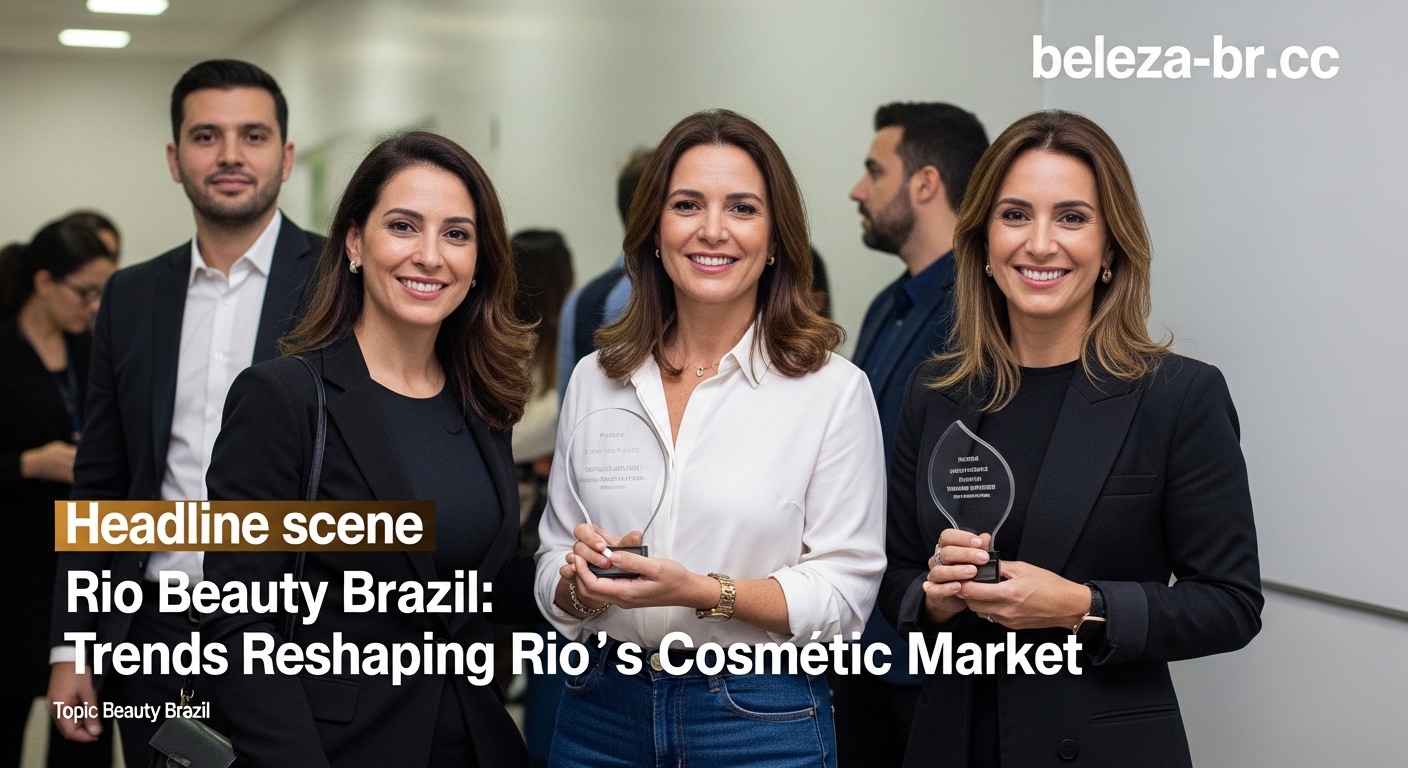
Brazil’s beauty market operates at the intersection of local craft and global trends. The phrase search Beauty Brazil is increasingly used as a weather vane for what Brazilian consumers want next—skincare that performs in tropical humidity, makeup that lasts through heat, and brands that celebrate Brazil’s diverse faces. This deep-dive analyzes how the beauty ecosystem is evolving, not only in product development but in how brands plan for a country that spans coastlines and climates, with a digitally connected, price-conscious audience. It frames shifts in market dynamics, digital influence, sustainability expectations, and practical steps for retailers and shoppers alike as they navigate a landscape defined by rapid online growth and regional variety.
Market dynamics in Brazilian beauty
Brazil remains one of the largest beauty markets in the Americas, built on a vibrant mix of multinational brands and homegrown labels. A sustained middle class expansion in several regions has sustained demand for everyday skincare, haircare, and color cosmetics. Local groups such as Natura and Co have carved out a significant footprint, while international players adapt to Brazil’s price sensitivities and tax structure. Distribution remains a mosaic: big city department stores and pharmacies, regional independent retailers, and a fast growing e commerce layer that thrives on mobile devices and flexible payments. The industry’s supply chain has learned to cope with volatile currency swings and regional logistic challenges by investing in regional warehouses and adaptable packaging. In regulatory terms, cosmetics marketers operate within a framework that prioritizes safety and truthful claims, encouraging manufacturers to invest in robust testing and clear labeling. The combined effect is a market that rewards brands capable of balancing quality, value, and reliability across very different regional climates.
Digital influence and social media in Brazil’s beauty scene
Digital channels increasingly determine which products break through. Instagram, TikTok, and YouTube translate global trends into Brazilian contexts, with short form video driving discovery and tutorial culture. Live shopping experiments and influencer collaborations have accelerated brand reach in both urban hubs and smaller towns where traditional advertising once dominated. Brands that localize content—speaking Portuguese with references to Brazilian routines, climate specific needs, and festival seasons—tend to earn greater trust. In payment terms, Brazil’s online shoppers favor flexible options such as Pix instant transfers, boleto bancario (bank slip), and installment plans, which shape how products move from cart to doorstep. The result is a beauty market where digital first product launches, complemented by omnichannel presence, can outperform purely offline or online strategies.
Sustainability and consumer priorities in Brazil
Conversations about sustainability are no longer niche in Brazil’s beauty sector. Consumers increasingly reward brands that demonstrate transparency about ingredients, avoid harm to ecosystems, and pursue responsible packaging. Local brands and ABIHPEC members have pressed for clearer labeling, cruelty free claims, and recycled materials in packaging, arguing that environmental responsibility should align with product efficacy. Climate and biodiversity considerations are intertwined with product choices; for example, consumers show interest in ingredients that perform well in humid climates while avoiding heavy synthetic fragrances that irritate sensitive skins. The market also tests green claims with skepticism, so brands that back statements with credible data and third party verifications tend to win more durable trust.
Practical guidance for brands and shoppers in this market
For brands entering Brazil or expanding locally, success hinges on a blend of localization, price tier strategy, and distribution discipline. Formulations should reflect climate realities, skin tones, and regional preferences; partnerships with local distributors can smooth cross country coverage, while influencer collaborations should prioritize authenticity and long term relationships over one off sponsorships. In store and online experiences must feel cohesive; providing informative labeling in Portuguese, clear safety claims, and accessible returns bolster confidence. Shoppers, meanwhile, benefit from checking labeling for ANVISA compliance, reading ingredient lists with attention to fragrance allergens, and evaluating sustainability claims against available evidence. Mobile first shopping, with options like Pix and boleto, combined with dependable delivery windows, improves satisfaction and retention.
Actionable Takeaways
- Localize product development for climate and skin tone diversity; test with Brazilian consumers.
- Build omnichannel strategies that integrate stores, marketplaces, and social commerce.
- Be transparent about ingredients, safety testing, and packaging sustainability; provide clear, verifiable claims.
- Leverage Brazil-specific influencer partnerships; prioritize long-term relationships and community building.
- Align with local payment options (Pix, boleto) and flexible installment plans to support accessibility.
Source Context
Selected references for further reading