
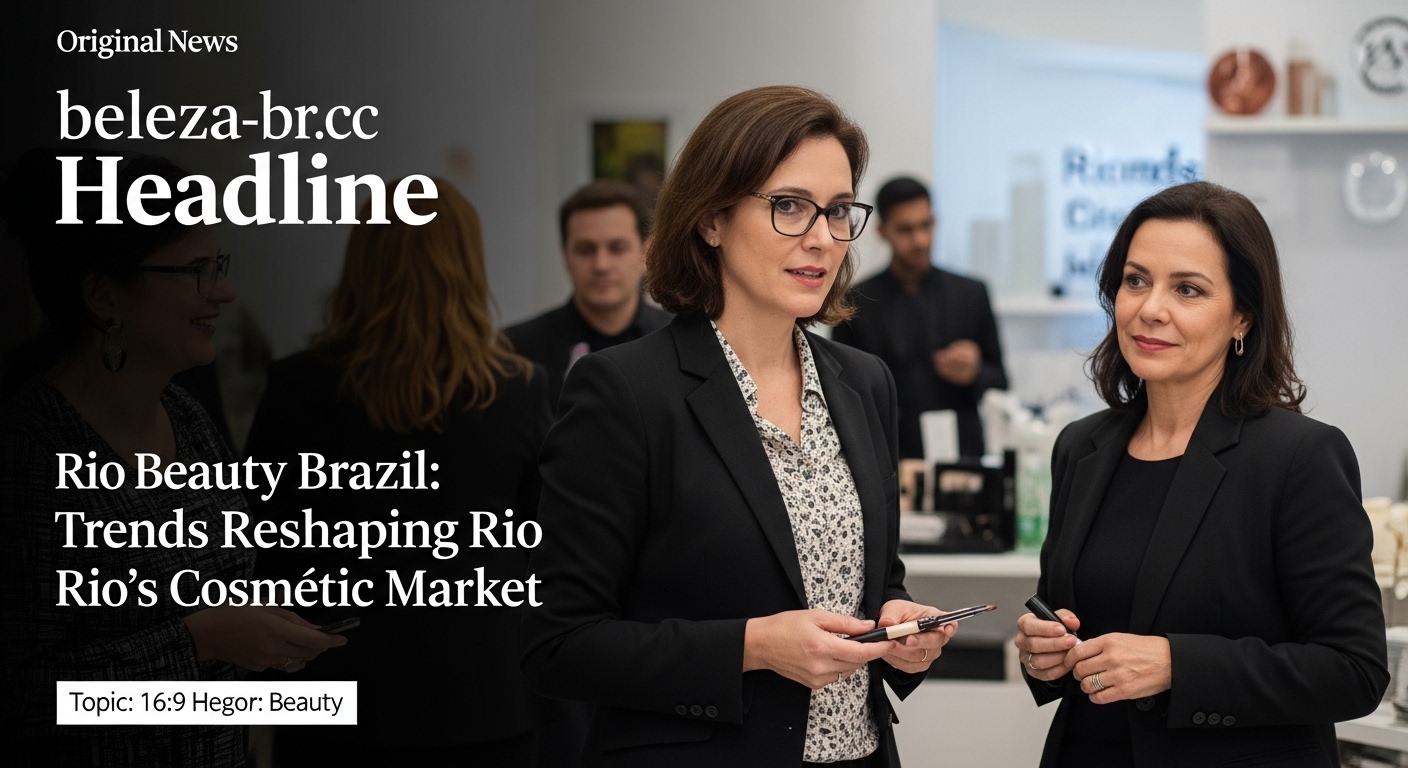
Rio’s beauty market is at a crossroads, and this analysis traces how rio Beauty Brazil is shaping product development, storytelling, and retail tactics across Rio de Janeiro and beyond. From indie labels to multinationals, brands are recalibrating to meet a more diverse, digitally engaged consumer base.
Context and Trends
In recent years, Rio de Janeiro has moved from a commodity-focused cosmetic supply chain to a laboratory of local experimentation. Consumers demand inclusivity in shade ranges, sustainable packaging, and transparent sourcing. The phenomenon is not merely aesthetic: it reflects a broader shift toward regional identity within Brazil’s vast beauty market, where brands must balance global chemistry with local climate and skin diversity. Brands are experimenting with shade inclusivity from the outset, reformulating sunscreens to avoid white casts under the city’s sunny skies, and developing skin-care routines that pair lightweight textures with long-lasting results. The long tail of smaller brands coexists with global giants; each side pushes the other toward faster product iteration and more responsive marketing. The result is a market where narrative depth—brand heritage, local science, and climate-aware formulations—has become a differentiator, sometimes as important as price.
Market Drivers in Rio’s Beauty Scene
Rio’s beauty scene is increasingly powered by three forces: logistics, digital commerce, and aspirational branding. Local manufacturers benefit from favorable regional supply chains that shorten lead times for seasonal releases and shade-focused foundations. E-commerce platforms and mobile payments have lowered the entry barrier for independent labels to reach urban Rio and secondary cities along the coast. In parallel, traditional retailers reconfigure shelves to blend experiential spaces—color-matched stations, mini-spas, and artist collaborations—with online pickup options. A rising cohort of dermatology-informed brands emphasizes sunscreen, antioxidant serums, and skincare tailored to humid coastal climates, while packaging innovations push toward refillable formats and recyclable materials. The regulatory environment in Brazil encourages transparency, and consumers reward brands that disclose ingredient sourcing. The mix of public health messaging and beauty marketing has created an environment where education and product performance go hand in hand, particularly for sun care and skin-adaptation products popular in coastal cities like Rio.
Consumer Behavior and Digital Influence
Brazilian shoppers increasingly rely on social media for discovery and purchase decisions. In Rio, Instagram and TikTok trends influence shade picks and textures, while WhatsApp-based commerce accelerates repeat purchases. Price sensitivity remains a factor, but value perception is shifting toward brands that offer inclusive sizing, robust ingredient lists, and credible claims about sustainability. The consumer expects a holistic brand experience—tutorials, shade-match showcases, and in-store events—that drives cross-channel conversations and loyalty. Brands that invest in locally resonant storytelling, multilingual content, and accessible customer service online tend to convert engagement into long-term relationships. Data privacy and transparent marketing practices also shape how brands communicate claims about SPF protection, anti-pollution benefits, and ingredient sourcing.
Policy, Retailer Strategy, and Industry Challenges
Industry participants face import duties, regulatory compliance, and data privacy rules; environmental rules push packaging to be recyclable or refillable. The dynamic regulatory environment requires brands to invest in local testing, certification, and documentation. Logistics networks in Brazil face challenges in weather and urban congestion, but Rio’s dense urban core also offers a platform for rapid last-mile delivery if brands can coordinate with micro-fulfillment centers. The result is a sector where risk management and agile supply chains determine competitive advantage, and market entrants must balance price competitiveness with quality assurance and traceability across the supply chain.
Actionable Takeaways
- Align product portfolios with Brazil’s tropical climate and ensure inclusive shade ranges that flatter diverse skin tones.
- Invest in transparent influencer partnerships with clear disclosures and measurable impact on sales and brand affinity.
- Strengthen e-commerce and omnichannel logistics; offer click-and-collect and localized fulfillment to serve Rio and coastal markets.
- Prioritize sustainable packaging, refillable formats, and credible sustainability claims to meet rising consumer expectations.
- Monitor regulatory changes in cosmetics, labeling, and data privacy; partner with local compliance experts to reduce time-to-market.
Source Context: Rio de Janeiro to Buenos Aires – UC Davis Alumni and Affiliate Relations, Influencer Maria Rita Dies Suddenly at Age 25, Brazil: more than a destination, a lifestyle.