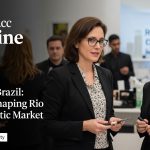

why Beauty Brazil is not a mere trend but a diagnostic of how urban Brazilians define self-expression, care routines, and social identity in a volatile economy. The category now serves as a case study in how local manufacturers, global giants, and digital narrators intersect. This analysis examines the forces shaping the market, from price sensitivity and influencer-driven demand to regulatory guardrails and sustainability expectations. By unpacking these threads, readers will see why Beauty Brazil matters beyond cosmetics shelves and how it might forecast broader consumer behavior across Latin America.
Market dynamics shaping Brazil’s beauty scene
Brazil remains one of the region’s most resilient beauty markets, powered by a dense distribution network that includes pharmacies, department stores, and a fast-growing e-commerce segment. Domestic labels such as O Boticário and Natura &Co have built ecosystems that blend fragrance, skincare, and color cosmetics with loyalty programs and regional product lines. This local strength is matched by international brands adjusting to Brazil’s price-sensitive landscape, where promotions, installment plans, and value-focused SKUs drive often brisk turnover. A key dynamic is the coexistence of mass-market appeal and premium ambition, with brands navigating a diverse consumer base that spans urban centers, peri-urban neighborhoods, and rapidly expanding e-commerce access. In this environment, success hinges on balancing local relevance—shade ranges for a broad spectrum of skin tones, climate-adapted formulations, and culturally resonant packaging—with global quality expectations and reliable supply chains.
Consumer behavior and value perception
Consumer choices in Brazil are shaped by a mix of savings horizons, social signaling, and digital discovery. Price remains a primary driver, but value is increasingly defined by accessibility, inclusive shade offerings, and transparent ingredient storytelling. Brazilian shoppers show growing interest in sustainable packaging, cruelty-free claims, and reformulated products that promise long-term skin health in tropical climates. The influencer and social-media ecosystem continues to steer discovery, yet it is balanced by a pragmatic approach to testing products through samples, store experiences, and local recaps. In a market where quick-changing trends collide with budget constraints, the most successful brands deliver credible performance, culturally aware marketing, and consistent availability across both online and offline channels.
Brand strategies and regulatory context
Compliance in Brazil goes beyond product claims to encompass labeling standards, ingredient disclosures, and packaging disclosures that meet ANVISA expectations. Brands operating in Brazil must navigate a regulatory environment that emphasizes consumer safety, claims substantiation, and accurate marketing. This context incentives product development with local relevance—such as formulations suited to sun exposure, humidity, and urban pollution—and encourages partnerships with local manufacturers to reduce lead times and import costs. In practice, this means brands increasingly invest in regional R&D, adapt color cosmetics to broader spectrum categories, and align launches with seasonal and cultural calendars. For editors and marketers, tracking regulatory updates is as important as tracking new shades, because policy changes can shift pricing, packaging, and labelling strategies across the market.
Technology, media, and the future of beauty in Brazil
The Brazilian beauty landscape is being reshaped by digital penetration, social commerce, and advanced retail tech. Mobile-first shoppers expect seamless checkout, AR try-ons, and personalized recommendations delivered via chat and short video formats. Direct-to-consumer approaches gain traction when brands offer localized content, clear return policies, and responsive support. Data analytics allow brands to optimize inventory for regional climates and festival seasons, while sustainability storytelling becomes a differentiator in crowded categories. Looking ahead, collaborations with local creators, transparent sourcing narratives, and investments in regional manufacturing capabilities could redefine how quickly products reach consumers and how effectively they are perceived on social feeds. In this dynamic, the question of why Beauty Brazil becomes a lens for broader Latin American consumer behavior, where similar mix of affordability, cultural nuance, and digital fluency shapes demand.
Actionable Takeaways
- For brands entering Brazil, prioritize regional product variants that address climate and skin tone diversity, coupled with clear, truthful claims verified by local testing.
- Invest in local partnerships and regional manufacturing to shorten supply chains, control costs, and improve shelf stability in tropical markets.
- Balance value-focused pricing with aspirational lines to capture both price-sensitive and premium segments without diluting brand equity.
- Monitor regulatory developments via local counsel and regulatory bodies to anticipate changes in labeling, packaging, and permissible claims.
- Embrace authentic local storytelling in campaigns, leveraging Brazil’s influencer ecosystem while maintaining guardrails to preserve credibility and audience trust.
- Editors should track sustainability narratives and shade-inclusive initiatives as primary angles in ongoing Beauty Brazil coverage.
Source Context
- Investopedia: Why This Destination of the Year Might Be the Ideal Retirement Spot Abroad for You Today
- AOL: Influencer Bianca Dias Passes Away Days After A Major Cosmetic Procedure
- Travel And Tour World: Canada Joins Turkey, Australia, Brazil, South Africa, France, Italy, and More in Promoting Unforgettable Destinations