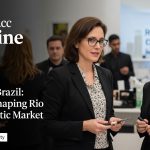

Why Beauty Brazil matters extends beyond cosmetics; it is a window into how a diverse population negotiates style, access, and identity in a volatile economy. This piece explains why Beauty Brazil matters and what it reveals about consumer resilience, brand adaptation, and policy signals shaping the sector across Brazil.
Context: Brazil’s Beauty Ecosystem
Brazil hosts one of the world’s most expansive‑and diverse‑beauty markets. Skincare, haircare, and color cosmetics coexist with a robust salon culture that couples service with that sense of self‑care common in urban centers like São Paulo and Rio de Janeiro, as well as in smaller cities across the Northeast and the Amazon region. The sector benefits from a young, digitally engaged population and a marketplace where local brands compete with global names on price, packaging, and perceived authenticity. Industry associations and regulatory bodies, notably the Brazilian cosmetic sector’s main trade groups, chart a path for compliance, standards, and sustainability commitments that influence product formulation and labeling decisions across the value chain.
Distribution is multi‑layered: mass retailers, pharmacies, and specialty beauty stores anchor broad reach, while e‑commerce accelerates category testing and direct‑to‑consumer strategies. Social media and influencer ecosystems magnify new launches, but buyers increasingly demand local relevance—product certifications, Portuguese labeling, inclusive shade ranges, and transparent supply chains. This context matters because market entrants who align with these rhythms tend to outperform those that rely on global templates alone.
Market Dynamics and Consumer Behavior
Brazilian consumers display a high degree of price sensitivity, yet willingness to pay for quality, inclusivity, and convenience remains pronounced. The rise of inclusive shade ranges for foundation and concealers, and a broader acceptance of diverse hair textures and skin tones, reflect a market that cannot be stereotyped as monolithic. In urban centers, premium and mid‑tier brands gain traction through localized storytelling and partnerships with Brazilian creators who emphasize everyday routines, family care, and sustainable packaging. In rural and smaller markets, value propositions—larger product sizes, multi‑use formats, and accessible price points—drive adoption, especially for daily skincare and basic haircare needs.
The influencer economy plays a critical role in shaping perception, but growth favors campaigns that demonstrate real efficacy, regionally relevant messaging, and evidence of social impact. Consumers increasingly compare ingredients, seek cruelty‑free or vegan claims, and respond to packaging that signals recyclability or refill options. Together, these preferences push brands to balance global science with local realities: climate, water availability, and consumer education about how to use complex formulations safely and effectively.
Policy, Sustainability, and Inclusivity
Regulatory oversight in Brazil emphasizes safety, labeling in Portuguese, and traceability of ingredients, creating a framework that can slow rushed launches but ultimately protects consumers and fosters trustworthy brands. Companies are under growing pressure to address plastic waste and to incorporate sustainable packaging, refill systems, and recyclable materials. This shift intersects with consumer expectations: brands that demonstrate measurable progress on sustainability—without compromising affordability—tend to build deeper loyalty in a market where macroeconomic volatility can undermine long‑term commitments.
Inclusivity remains a non‑negotiable standard for many Brazilian buyers. A broad spectrum of skin tones, hair textures, and regional beauty traditions must be acknowledged in product development, marketing, and retail experiences. The most successful players are those that translate diversity into practical product lines, research partnerships, and in‑store experiences that celebrate regional identities while maintaining national coherence.
Brand Strategy in Brazil: Scenarios for Growth
For brands seeking to grow in Brazil, localization is not optional; it is a strategic imperative. Portuguese language packaging, locally relevant claims, and regionally tailored SKUs can improve comprehension and trust. Distribution strategy should blend traditional pharmacy channels with e‑commerce, leveraging Brazil’s strong logistics nodes in consumer hubs while recognizing geographic variation in store density. Partnerships with Brazilian dermatologists, estheticians, and beauty experts can lend credibility to claims about skin health, sun protection, and hair care, which are central to consumer decision making in this market. Price architecture matters too: multi‑tier offerings allow brands to capture both the mass market and aspiring segments without eroding perceived value.
Camera‑ready product storytelling—clear demonstrations of usage, before/after results, and long‑term benefits—resonates when paired with credible scientific messaging adapted to Portuguese. As currency volatility and import costs persist, regional manufacturing or contract production models can hedge risk while maintaining quality. Ultimately, the most durable brands will invest in community engagement, local talent, and supply chain transparency that translates to consumer confidence during economic headwinds and growth cycles alike.
Actionable Takeaways
- Invest in inclusive product lines with broad shade ranges and formulations suitable for Brazil’s diverse climate and skin types.
- Adopt a hybrid distribution model combining pharmacies, mass retailers, and e‑commerce, optimized for regional logistics.
- Prioritize Portuguese language packaging, clear usage instructions, and claims substantiation aligned with ANVISA guidelines.
- Embed sustainability into product design—recyclable packaging, refill options, and transparent supply chain disclosures.
- Collaborate with local creators and beauty professionals to ground campaigns in everyday Brazilian routines and regional identities.
- Prepare for currency and import cost fluctuations by considering regional manufacturing or flexible pricing strategies while preserving value perception.
Source Context
For readers seeking background and data, the following sources provide industry context and regulatory perspectives:
ABIHPEC — Brazilian cosmetics industry association
Statista: Brazilian cosmetic industry overview
IBGE: Brazilian demographics and market size
United Nations data on consumer markets and urban growth in Brazil