
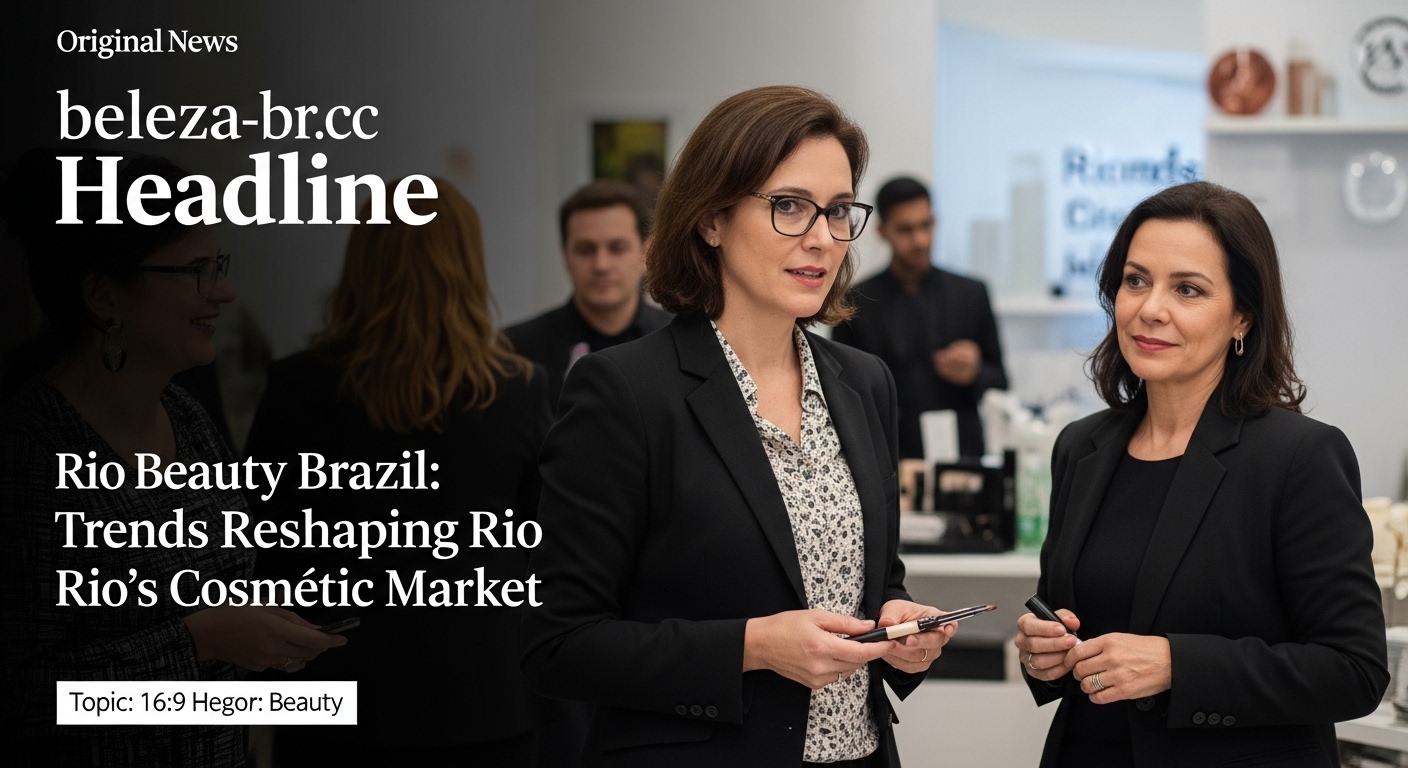
Across Brazil, swan Beauty Brazil has become a touchstone for how premium and mass-market beauty converges in a country famed for its diverse skin tones and climate. The brand’s emergence mirrors a broader shift in consumer expectations: more skincare, more sun protection, and more transparency about ingredients and sourcing. As Brazilian buyers navigate price sensitivity with a taste for quality, swan Beauty Brazil has positioned itself as a test case for whether a brand can reconcile luxury packaging with accessible price points, local language, and ethical production. This piece traces the forces shaping the Brazilian beauty scene and what the swan Beauty Brazil moment reveals about the industry’s future.
The Market Context
Brazil’s beauty market operates at the intersection of global brands and homegrown innovators. Consumers expect skincare that addresses both climate-related concerns and personal preferences across regions. The rapid growth of e-commerce and mobile shopping has expanded reach for smaller labels, while brick-and-mortar stores still matter for trial and trust. In this environment, brands lean on localization—Portuguese-language messaging, inclusive shade ranges, and formulations that factor Brazilian ingredients—creating a testing ground for how far a premium brand can stretch into mass-market affordability. Regulatory oversight by Anvisa shapes labeling, safety testing, and import compliance, influencing go-to-market timelines and margins. Against this backdrop, swan Beauty Brazil seeks to balance the rigor of a regulated product with the storytelling cadence that resonates on Brazilian social feeds. The challenge is not only to launch products but to maintain an ongoing dialogue through education, sampling, partnerships with salons and retailers, and responsive customer service. Market observers watch whether this model sustains growth without becoming a boutique niche or a price-driven commodity.
Consumer Behavior and Channel Shifts
Brazilian consumers increasingly treat beauty as a wellness routine, integrating sunscreen and skincare into daily life while seeking visible results. Social media remains a primary discovery channel, yet price volatility and inflation mean value remains crucial. Consumers demand ingredient transparency, cruelty-free assurances, and packaging sustainability. Channel shifts favor omnichannel strategies: online marketplaces, direct-to-consumer portals, and offline experiences in salons and department stores that validate a product before purchase. For swan Beauty Brazil, these dynamics translate into a strategy that blends educational content with accessible lines, trial programs, and collaborations with local influencers who embody Brazilian aesthetics and values. In addition, shade diversity is no longer optional; brands that offer expansive ranges resonate across urban centers and regional markets, building loyalty where competition often segments by channel or region.
Brand Strategy in Brazil’s Beauty Scene
Brand strategy today hinges on cultural resonance and sustainability. Packaging that photographs well on social feeds, messaging in Portuguese, and partnerships with beauty professionals help convert awareness into trials and purchases. Local manufacturing or regional sourcing can reduce lead times and increase trust among consumers wary of long supply chains. For swan Beauty Brazil, success will depend on a modular product architecture that scales across regions, education campaigns that translate science into practical benefits, and loyalty programs that reward repeat purchases. Balancing premium design with accessible pricing requires disciplined channel management to prevent cannibalization between direct and retailer routes. In a market prone to currency swings and import costs, brands experiment with co-branded products with retailers, limited-edition drops tied to Brazilian cultural moments, and community-driven storytelling that centers real customers. The result is a dynamic, conversation-driven market where one successful product becomes part of a larger ecosystem if it delivers safety, efficacy, and consistent quality.
Actionable Takeaways
- Prioritize inclusive product ranges that match Brazil’s diverse skin tones and climates, supported by shade mapping and testing studies.
- Invest in education-driven marketing detailing ingredients, SPF efficacy, and correct usage, to build consumer trust and long-term loyalty.
- Balance premium packaging with accessible pricing and robust direct-to-consumer channels to maximize reach without eroding margins.
- Develop omnichannel strategies that link online discovery with offline trials in salons and retailers, reinforcing brand credibility.
- Invest in sustainable packaging and transparent supply chains to meet regulatory expectations and consumer demand for accountability.
- Partner with local influencers, beauty professionals, and cross-brand collaborations to anchor credibility in Brazilian cultural context.