Updated: April 15, 2026
Across Brazil, the phrase supporters Beauty Brazil has emerged as a lens to study how political tempers, national identity, and beauty standards intersect in everyday shopping. In the weeks after national elections, cosmetic aisles near major capitals reflect more than colors and textures; they signal how communities navigate uncertainty, affordability, and aspiration. This deep-analysis considers how shifting political narratives intersect with consumer behavior in beauty, and what it means for brands, retailers, and policymakers.
The Context: Political and Economic Forces Reshape Beauty Consumption
Brazil’s beauty market sits at the crossroads of macroeconomic pressure and a highly polarized political landscape. After years of inflation and currency volatility, households calibrate cosmetic spending to preserve value while still seeking aspirational products. The Lula administration’s social and economic agendas influence disposable income, import costs, and retail pricing, shaping the price sensitivity of beauty shoppers. In parallel, political rallies—whether organized in support of or against current leadership—serve as a backdrop that can affect consumer confidence, retail footfall, and advertising cues. Brands observing these dynamics must account for the feedback loop: policy signals affect wallets, which in turn reshape what counts as a luxury or an everyday staple. In this context, the beauty aisle becomes a microcosm of national mood: product launches that promise resilience against inflation, or campaigns that align with cultural narratives about heritage, joy, and empowerment.
The macro environment matters because cosmetic purchases are not immune to shifts in confidence. Local manufacturing gains traction as a hedge against uncertain import costs, while retailers increasingly test flexible pricing, financing options, and bundles that cushion households against price spikes. The political climate also shapes narratives around sustainability, labor practices, and corporate social responsibility—areas where Brazilian consumers show growing discernment. Taken together, these forces create a setting in which the so-called supporters Beauty Brazil category actively influences which products win shelf space and which messages resonate with diverse regions—from Rio de Janeiro’s coastal markets to the interior belts where price sensitivity is highest.
Market Signals and Brazil-Inspired Ranges
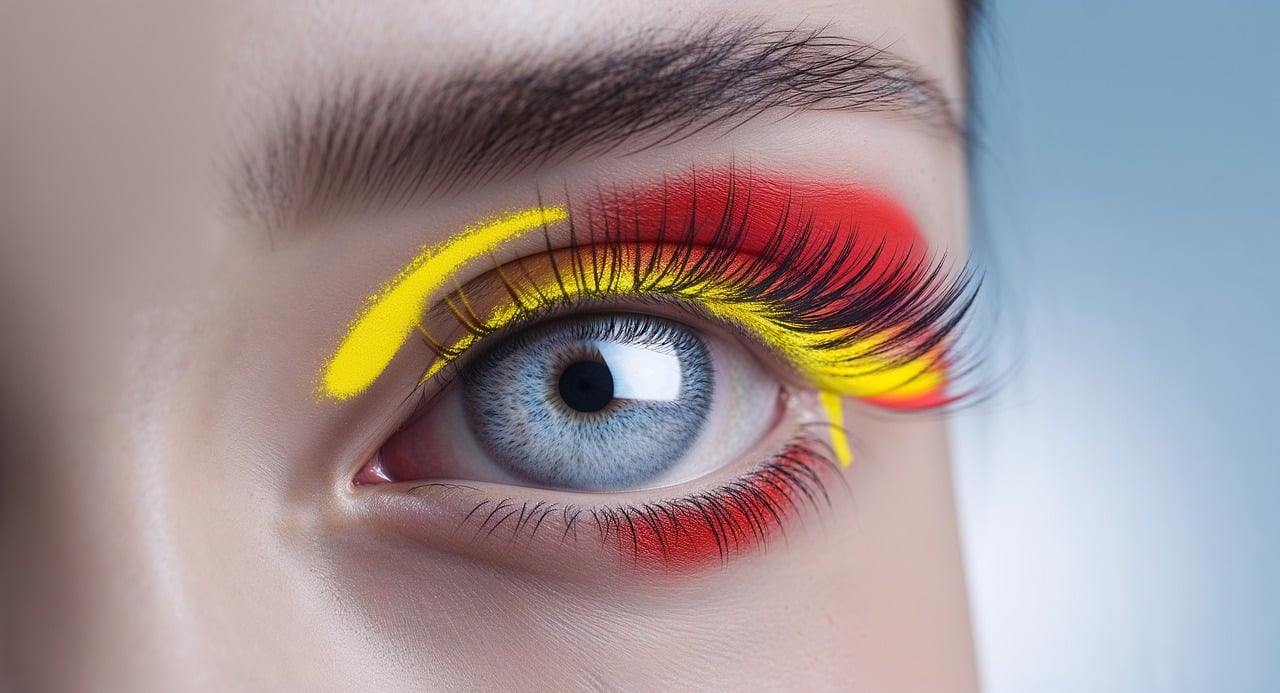
Market signals point toward a sustained appetite for cosmetics that blend Brazilian identity with global credibility. Observers note a pronounced interest in Brazil-inspired cosmetic ranges that echo local flora, sun-drenched aesthetics, and regional color palettes while maintaining international formulations and safety standards. Such ranges are attractive not only for their narrative appeal but for their practicality—products that perform in Brazil’s humid climate, with packaging that minimizes environmental impact and maximizes value. The trend mirrors a broader consumer shift toward value-oriented luxury: high-quality ingredients and experienced textures at accessible price bands, often delivered through direct-to-consumer channels and social commerce platforms.
Moreover, supply-chain realities—tariffs, import duties, logistics timelines—amplify the appeal of locally produced items. Brands that can source components domestically or regionally, and that can offer mid-range color cosmetics and skincare solutions with durable sun protection and humidity resilience, stand to gain traction. In practical terms, the market is rewarding campaigns that couple aesthetic appeal with reliability—cosmetics that feel authentic to Brazilian life, yet meet the expectations of a global consumer mindset. This dynamic reinforces the perception that Brazil’s beauty industry can scale through a combination of local production and smart, border-spanning partnerships.
In tandem, retailers are experimenting with tiered pricing and value bundles designed to make routines easier to sustain in the face of fluctuating incomes. These shifts are not merely economic: they reflect a cultural preference for products that align with everyday routines, neighborhood pride, and the desire to project confidence in a context of national conversation about how Brazil should present itself to the world.
Influencers, Culture, and Consumer Identity
Culture remains a powerful engine for beauty brands, and cross-border artistic collaborations illustrate the fluidity of Brazilian aesthetics. News coverage of Brazilian artists and events in São Paulo demonstrates how celebrity presence and cultural programming influence beauty narratives—from makeup choices and wardrobe to skincare routines and fragrance selections. When Brazilian performers and international ensembles intersect with local fashion scenes, brands gain opportunities to craft campaigns that speak to a spectrum of communities—from urban centers to regional hubs—and from youth to mature shoppers. The result is a mosaic of identities where beauty products function as instruments of belonging, self-expression, and aspiration.
Social media continues to fragment identity into a constellation of micro-narratives: tutorials, color stories inspired by flora and street art, and user-generated content that foregrounds individuality. In this environment, a slogan like supporters Beauty Brazil can evolve from a political slogan into a practical signal that products should celebrate local aesthetics, inclusive representation, and aspirational, attainable glamour. Brands that acknowledge this complexity—by featuring diverse faces, textures, and stories—are more likely to earn trust across Brazil’s varied regions.
Actionable Takeaways
- Localize pricing and invest in value-forward bundles to counter inflationary pressure while preserving perceived quality.
- Strengthen local supply chains and diversify suppliers to reduce exposure to import volatility; emphasize Brazilian-made products where feasible.
- Develop campaigns rooted in Brazilian heritage and contemporary culture, using inclusive representation and authentic storytelling.
- Advance sustainability without sacrificing affordability—focus on recyclable packaging, refill options, and transparent ingredient sourcing.
- Leverage a tiered influencer strategy that includes micro- and macro-influencers across regions to reflect Brazil’s diversity.
- Prioritize digital-first experiences and social-commerce integrations to reach consumers where they shop and create content that travels beyond urban cores.
- Build scenario planning around policy and trade developments to quickly adapt pricing, sourcing, and product assortments as needed.
Source Context
The following sources provide background on the political climate, cultural events, and market trends shaping Brazil’s beauty sector.