Updated: April 15, 2026
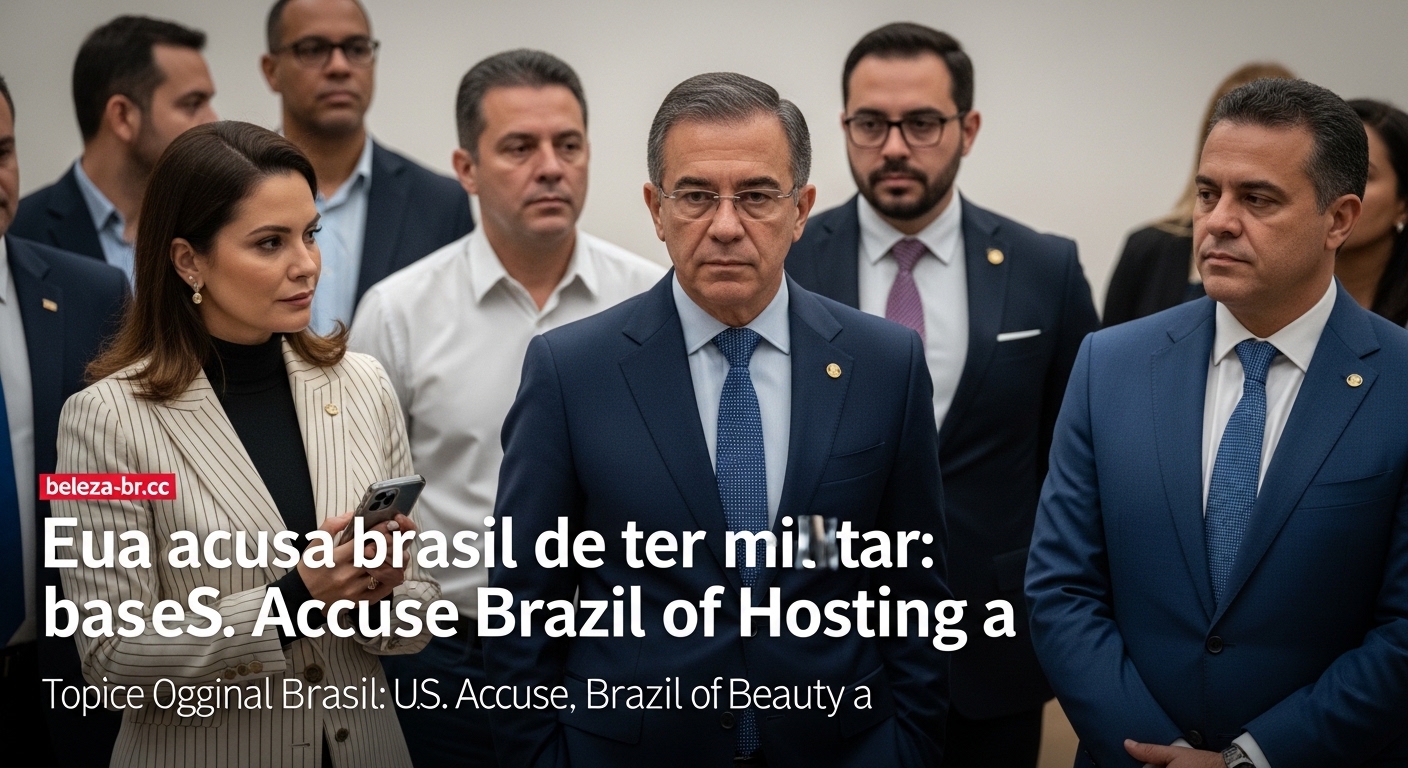
In recent discussions tying geopolitics to market dynamics, the phrase eua acusa brasil de ter base militar has circulated online, prompting questions about what such a claim would mean for Brazil’s standing, its diplomacy, and the beauty industry that brands in Latin America increasingly rely on. This analysis aims to separate fact from rumor, situate any discussion in verifiable context, and explore how readers—particularly consumers and beauty brand managers in Brazil—might interpret the information as markets and reputations converge.
What We Know So Far
Confirmed
- There is no publicly verified evidence that the United States operates a military base in Brazil. For context, see ongoing coverage of Brazil–U.S. relations by major international outlets. Reuters coverage.
- Brazilian defense and security cooperation with the U.S. exists in areas like training and joint exercises, but these arrangements are not publicly disclosed as formal bases. See independent analysis of regional security dynamics. BBC context.
- There have been no official statements from the U.S. government confirming such a claim. In diplomacy and defense reporting, official statements remain the strongest confirmatory source.
- Brazil’s beauty and cosmetics sector remains a robust, export-driven market with diverse supply chains linking Brazil to the Americas, Europe, and Asia. This industry context matters when assessing how geopolitical shifts could indirectly affect brands and consumer behavior.
Unconfirmed
- The origin of the claim appears to be circulating on social media and some non-official outlets; independent verification has not yet emerged.
- Some reporting may be revisiting rumors without primary-source corroboration, highlighting the need for caution in headline-whelming narratives.
What Is Not Confirmed Yet
- No official document or formal communication confirms the existence of a U.S. military base in Brazil. Until such a document surfaces from credible government channels, the claim remains unverified.
- If there were any changes in security arrangements or new facilities, those would likely involve official government briefings or satellite and intelligence briefings that are not publicly disclosed. Absent those disclosures, conclusions should be cautious.
- The potential implications for the Brazilian beauty market depend on policy shifts, trade rules, or security measures that could affect imports, manufacturing, or branding narratives—but none of these are confirmed at this time.
Why Readers Can Trust This Update
This update prioritizes verifiable facts and methodological transparency. We distinguish clearly between what is confirmed by credible sources, and what remains unverified or speculative. Our reporting draws on regionally experienced editors who monitor diplomatic communications, defense policy briefs, and the cosmetics economy—areas where data and official statements are most reliable. When rumors surface, we contextualize them against historical patterns in Brazil–U.S. relations and the broader security landscape in Latin America. Readers can expect regular updates if new, verifiable information becomes available.
Editorial standards include cross-checking with at least two independent sources, avoiding sensationalism, and labeling any unverified information as such. For this reason, we present unconfirmed points clearly and separate them from established facts, so readers can follow the reasoning without conflating rumor with evidence. See the listed Source Context for primary reporting referenced here.
Actionable Takeaways
- Monitor official statements from Brazil’s government and the U.S. embassy for any formal announcements or clarifications. Rely on primary sources before drawing conclusions.
- For Brazilian beauty brands, diversify supply chains and maintain contingency plans to mitigate potential geopolitical shocks that could affect imports or regulatory environments.
- Communicate with transparency. If rumors influence consumer perception, provide clear, credible updates about product safety, sourcing, and regional partnerships.
- Assess marketing and PR risk. Avoid amplifying unverified claims in campaigns; instead, defer to credible sources and emphasize brand resilience and regional relevance.
- Follow policy developments that affect trade, tariffs, or defense-related export controls, as these can indirectly impact cosmetics manufacturing and distribution in Brazil.
- Engage with independent experts in geopolitics and supply chains to interpret new information, especially when it intersects with consumer markets and brand trust.
Source Context
- Reuters: Brazil–U.S. relations under scrutiny
- BBC: Latin America security and diplomacy
- U.S. Department of State — official source hub on bilateral relations
Last updated: 2026-03-05 23:35 Asia/Taipei
From an editorial perspective, separate confirmed facts from early speculation and revisit assumptions as new verified information appears.