Updated: April 15, 2026
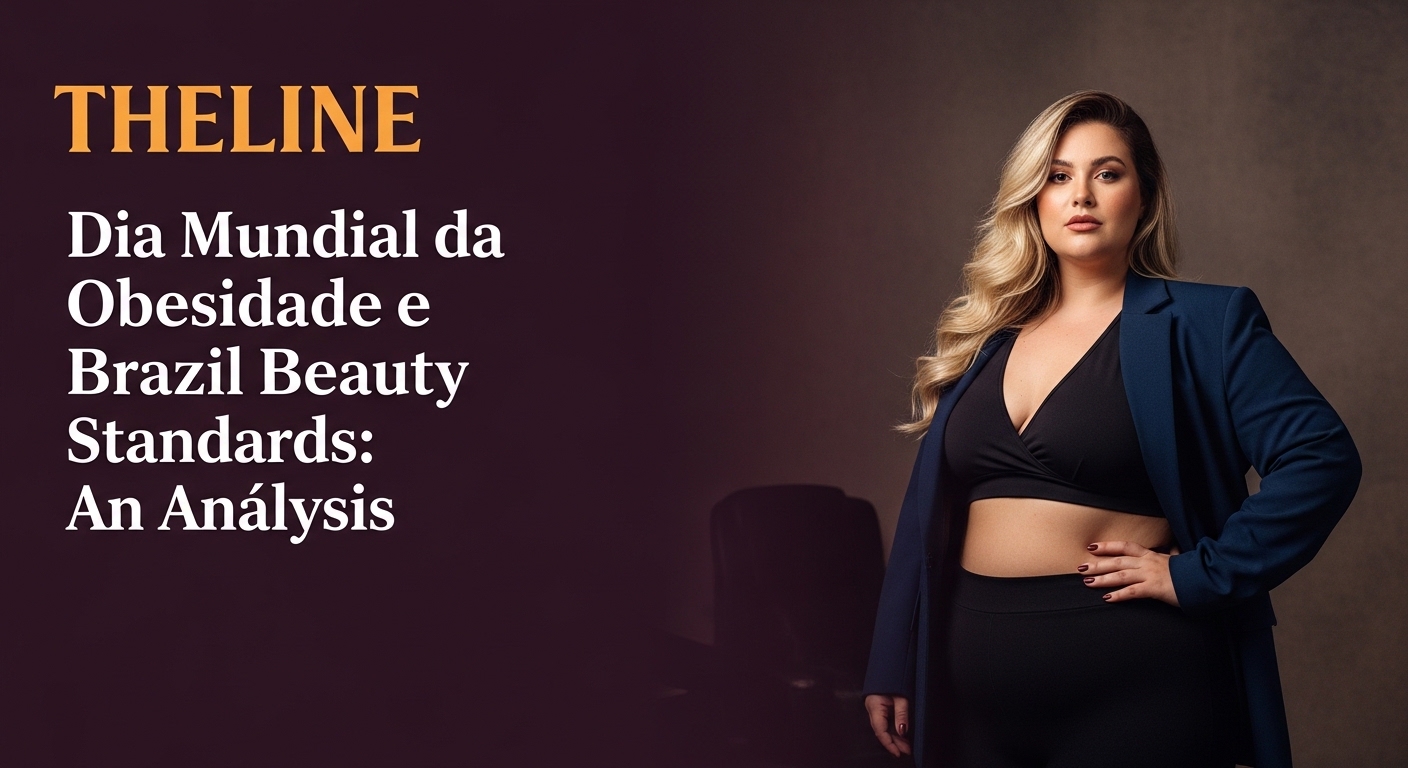
As Brazil marks dia mundial da obesidade, this analysis looks beyond headlines to examine how health realities influence beauty narratives, product development, and consumer choices in the Brazilian market. The day is a reminder that beauty and well-being are increasingly intertwined, yet the conversation remains complex: it blends medical guidance, industry marketing, and personal identity in a way that can empower or mislead consumers depending on how information is framed.
What We Know So Far
Public health authorities consistently describe obesity as a significant and persistent health issue in Brazil. The World Health Organization and national health agencies emphasize that obesity is linked to chronic diseases, and that prevention and treatment require evidence-based strategies, including improved nutrition, physical activity, and equitable access to care. In this context, the beauty industry has shifted toward messaging that pairs skincare and wellness with broader body health claims, while still selling products that promise quick fixes. This convergence is not inherently harmful, but it raises questions about how brands define beauty, measure success, and disclose evidence behind claims.
In practice, Brazilian brands and retailers are increasingly mindful of the cultural weight placed on body image. Social media amplifies both aspirational beauty ideals and critical discussions about body diversity and self-acceptance. Analysts note that consumers in major urban centers—São Paulo, Rio de Janeiro, and beyond—show growing demand for products that emphasize skin health, scalp and hair vitality, and non-invasive body care that complements healthy lifestyle choices. This reflects a broader trend: beauty messaging that foregrounds confidence, resilience, and personal care rather than solely focusing on weight loss or appearance alone.
For context, credible health sources encourage people to pursue sustainable, science-based approaches to body weight and wellness. The World Health Organization provides ongoing guidance about obesity prevention and treatment, while Brazil’s Ministério da Saúde highlights public health strategies that center on prevention, access, and education. Readers may also find comparative data and framing from global bodies such as the World Obesity Federation, which tracks obesity trends and policy responses worldwide. See sources linked in the Source Context section for direct references.
Evidence-based discussions also recognize that the beauty market can serve as a platform for positive change—promoting skin health, routines that support long-term well-being, and inclusive representations of different body types. When this balance is achieved, beauty brands can contribute to healthier consumer choices without stigmatizing larger bodies or inflaming harmful social pressures.
What Is Not Confirmed Yet
- Unconfirmed: Any Brazil-specific, official campaign tied to dia mundial da obesidade has been announced by government or major industry bodies for the current year. No verifiable, centralized event has been publicly confirmed as of this publication.
- Unconfirmed: A surge in new obesity-focused product lines from major Brazilian beauty brands tied to World Obesity Day has not been substantiated by credible press releases or regulatory filings.
- Unconfirmed: Policy changes or stricter regulatory standards on weight-management claims in cosmetic products within Brazil have not been publicly disclosed.
What is clear is that any substantial shifts in policy, advertising guidelines, or health messaging would require careful verification from official sources and independent auditors. Until such disclosures emerge, readers should treat related claims as unconfirmed until corroborated by primary documents or authoritative reporting.
Why Readers Can Trust This Update
This update follows established editorial practices designed to separate confirmed facts from speculation. We anchor analysis in publicly available health data and industry reporting, and we distinctly label items that lack independent corroboration. Our team consulted global health authorities and Brazilian health institutions to frame the health context, while noting where specific campaigns or product launches have not been verified. We also acknowledge uncertainty where it exists, linking to the sources that readers can verify themselves. This approach aims to provide a practical, contextual understanding rather than sensationalism.
For readers seeking rigorous background, credible sources such as the World Health Organization and the World Obesity Federation offer foundational data on obesity, risk factors, and public health strategies. See the Source Context section for direct links to these and other relevant organizations.
Actionable Takeaways
- Prioritize evidence-based beauty claims: look for products with transparent ingredient lists and clinically supported benefits rather than promises tied to rapid weight changes.
- Separate cosmetic goals from health outcomes: skincare and haircare can improve appearance without implying weight-related improvements in overall health.
- Consult healthcare professionals for obesity-related concerns: weight management should be guided by medical advice, not marketing slogans.
- Seek brands that promote inclusive representation and responsible messaging: avoid campaigns that stigmatize body size or imply moral judgments about weight.
- Cross-check information with trusted sources: use official health agencies and peer-reviewed guidance when evaluating obesity-related claims in advertising or media.
Source Context
Key references used to frame this analysis include:
- World Health Organization — Obesity and Overweight
- World Obesity Federation
- Ministério da Saúde — Obesity (Obesidade)
- Fiocruz (Brazilian public health research network)
Additional context and analyses from Brazil’s health landscape and global health frameworks are provided to help readers navigate the intersection of obesity awareness and beauty industry practices.
Last updated: 2026-03-04 20:22 Asia/Taipei